


Art as Therapy: Creativity for Mental Wellness
Today’s high-speed world leads to stress which makes mental wellness an important issue. Growing mental health awareness leads people to explore different methods for dealing with stress and emotional difficulties. Art therapy stands out as a powerful and widely accessible method that has received significant recognition. Creative practices such as painting and drawing along with sculpting and performing arts like music and dance demonstrate significant therapeutic advantages. Through its ability to enable self-expression and provide healing along with emotional release art emerges as an effective strategy for enhancing mental well-being.
The Science Behind Art and Mental Wellness
Art therapy functions as a scientifically supported method to improve mental health beyond recreational activity. Scientific studies demonstrate that creative activities trigger brain reward mechanisms which lower cortisol levels and boost dopamine production to enhance mood and motivation.
The act of creating art activates neural pathways which promotes brain plasticity resulting in better emotional processing abilities alongside stronger problem-solving skills and improved cognitive functions. Individuals facing anxiety or depression find artistic expression to be a non-verbal means to release hard-to-express emotions.
How Art Supports Mental Health
1. Stress Reduction and Relaxation
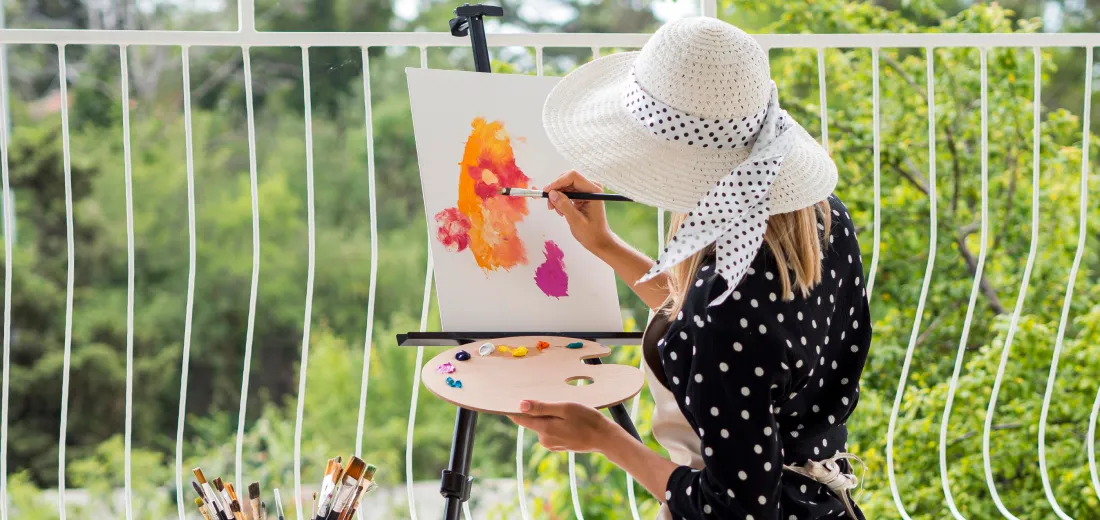
Artistic activities lead to relaxation while moving attention away from everyday concerns. Brushing a canvas, coloring pages, or sculpting materials induce meditative effects which guide the mind into a peaceful state. People have started to use adult coloring books and mandala drawing because they help reduce stress.
2. Emotional Expression and Healing
Expressing oneself through words poses difficulties for people who experience profound emotional distress or trauma. Through visual creation art gives a secure environment where people can express emotions which words fail to convey. The process allows people to achieve mental clarity while bringing suppressed emotions to the surface and promoting healing.
3. Boosting Self-Esteem and Confidence
The successful completion of an art project generates a feeling of achievement which strengthens self-esteem. The creation of physical art forms like paintings, poems or sculptures builds both pride and self-assurance. People who struggle with depression or self-doubt find particular benefit from this approach.
4. Enhancing Mindfulness and Presence
Art practice promotes mindfulness which means staying completely aware of the present moment. Creative activities enable individuals to distance themselves from past regrets and future worries which leads to an immersive flow state that temporarily eliminates concerns while providing deeper peace and mental clarity.
5. Building Resilience and Coping Skills
The creative process teaches people to develop patience and problem-solving abilities while building resilience. Artistic errors lead to innovative thoughts which reveal important life teachings about adaptive thinking and flexible behaviors that are fundamental for handling stress and life obstacles.
Different Forms of Art Therapy
Art therapy demonstrates its flexibility by adapting to each person’s unique needs. Here are some common forms:
- Painting and Drawing provide individuals with a means to express emotions and achieve emotional release.
- Sculpting and Clay Work promotes both physical interaction with materials and the alleviation of stress.
- Through collage and mixed media artists can delve into personal identity exploration alongside previous life experiences.
- Through rhythm and movement music and dance therapy stimulates both physical and emotional engagement.
- Creative Writing and Poetry serves as a structured method for emotional processing through storytelling techniques.
Incorporating Art into Daily Life
Art therapy stands out because it requires no special abilities so everyone can enjoy creative expression. These easy methods will help you integrate artistic activities into your daily schedule:
- Processing emotions each day by writing in a journal or drawing sketches for a few minutes.
- Allocating specific time to engage in coloring or painting activities can serve as an effective method for relaxation.
- Creating a vision board offers a visual representation of your goals which helps you visualize aspirations.
- Using music either through listening or performance helps change emotional states.
- Investigating artistic hobbies such as pottery making, knitting and crafting helps people to relax.
Art therapy offers a practical and effective method to boost mental health. Engaging in artistic activities delivers multiple psychological advantages when used in therapy sessions or as a personal creative outlet. Engaging in art activities helps people manage stress levels while developing emotional expression abilities alongside building self-confidence and improving mindfulness skills. Society’s growing awareness of mental health benefits from including creativity because it serves as a tool for healing and self-discovery in personal wellness paths.
Begin your journey with art therapy today because it’s the perfect moment to start using creative tools for achieving inner peace and healing.