Early Life and Background
Site Of The Day


Andy Warhol (1928-1987) became an American Pop Art movement leader through his production of widely recognized celebrity and consumer product images. These elements summarize important aspects of his life and artistic contributions.
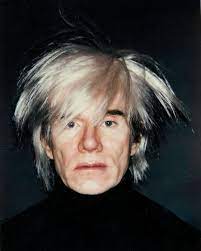


Andy Warhol (1928-1987) became an American Pop Art movement leader through his production of widely recognized celebrity and consumer product images. These elements summarize important aspects of his life and artistic contributions.
On August 6, 1928, Andrew Warhola became Andy Warhol when he entered the world in Pittsburgh, Pennsylvania as the son of Slovakian immigrant parents. Growing up in a working-class district Warhol demonstrated his early passion for art and popular culture. During his childhood years he experienced Sydenham's chorea, which is a neurological disorder that confined him to bed for many long months. He cultivated an interest in celebrity magazines, comic books, and drawing during his bedridden years which eventually shaped his artistic style.
Warhol studied commercial art at Carnegie Institute of Technology which is presently known as Carnegie Mellon University. He moved to New York City after his graduation in 1949 to start his commercial illustration career and earned recognition for his whimsical blotted-line artwork. Through his achievements in advertising and design he built the groundwork to enter the fine art scene where his examination of consumer culture alongside mass production and celebrity obsession transformed contemporary art.
Andy Warhol became a successful commercial illustrator in New York City during the 1950s which marked the start of his artistic career. Whimsical line drawings and advertising-inspired designs defined his early work which secured his reputation in both fashion and publishing sectors. In the early 1960s Warhol redirected his artistic career to fine art which thrust him to prominence within the Pop Art movement.
The Campbell’s Soup Cans series (1962) brought him success as he examined mass production and consumer culture through his artwork. He used silkscreen printing to produce multiple iterations of his Marilyn Monroe, Elvis Presley, and Coca-Cola prints which mirrored the repetitive nature of advertising and celebrity culture.
The Factory functioned as a gathering place for groundbreaking artists along with musicians and society figures under Warhol's direction. At The Factory he created paintings as well as experimental films such as Empire (1964) and Chelsea Girls (1966). His music involvement included both managing The Velvet Underground band and creating their iconic album covers.
Throughout the 1970s and 1980s Warhol broadened his artistic scope through portrait commissions and joint projects with emerging artists such as Jean-Michel Basquiat while producing works that depicted political and cultural icons. The "Reversals and Retrospectives" series from his later period revisited familiar themes and added new influences to his work.
Andy Warhol became one of the most influential artists of the 20th century through his unique integration of art with celebrity culture and commercial practices. His artistic contributions maintain a strong influence on both modern art and mainstream culture.
Notable Works
Andy Warhol produced many of the 20th century's most recognizable and iconic pieces of art. He examined consumerism and celebrity culture through his art while mass production became a central theme which he expressed through mechanical silkscreen prints. Some of his most notable pieces include:
1. Campbell’s Soup Cans (1962)
The renowned *Campbell’s Soup Cans* series by Andy Warhol includes 32 individual canvases that show different varieties of Campbell’s soup. The artwork demonstrates Warhol’s interest in consumer products along with the repetitive production methods prevalent in American culture.
2. Marilyn Diptych (1962)
This artwork emerged shortly after Marilyn Monroe passed away and features 50 silkscreened portraits of the actress with half depicted in striking color and half in black and white. The artwork examines concepts surrounding celebrity status alongside discussions of mortality and the transient quality of fame.
3. Elvis Presley (1963)
Warhol created several renditions of *Elvis* using his typical silkscreen technique which displayed the musician as a recurring pattern. The artworks demonstrated how celebrity culture overlaps with advertising practices and masculine identity.
4. Mao (1972)
Andy Warhol produced a portrait series centered around the official photograph of Chairman Mao Zedong because of Mao's cultural significance. Warhol’s playful color transformations of Mao’s portrait demonstrate his fascination with political leaders as pop culture symbols.
5. Brillo Boxes (1964)
Warhol’s *Brillo Boxes* exhibit Pop Art through their three-dimensional form by appearing as commercial packages while serving as artistic creations. Through this work Warhol explores the intersection between artistic expression and mass-produced consumer goods.
6. The Velvet Underground & Nico Album Cover (1967)
For the debut album of *The Velvet Underground*, Warhol designed artwork that presents a simple banana with a sticker that could be peeled off. The music album and its artistic presentation gained status as foundational elements in both musical and visual art cultures.
7. Shadows (1978-79)
The *Shadows* series represents a later stage in Warhol’s career where he created 102 large-scale abstract canvases that display painted and silkscreened shadow forms. This artwork represented a pivotal change in Warhol's creative approach by merging his pop art style with conceptual elements.
Warhol's talent for combining the worlds of art with commercial success and celebrity culture created his enduring legacy which continues to be displayed in museums and collections across the globe.
Warhol maintained a private and mysterious persona while his existence was closely connected to his artistic output and the cultural developments around him. While he lived openly as a gay man during a time when LGBTQ+ visibility faced many barriers, he never married and kept his romantic life private. His inner circle of artists, musicians, writers, and celebrities became significant contributors to both his art and the renowned atmosphere at The Factory studio in New York City.
The artist Warhol pursued fame, beauty, and wealth by regularly associating with powerful people like Mick Jagger, Liza Minnelli, and Jackie Kennedy. He explored the darker aspects of celebrity culture through his art which frequently depicted death and disaster themes.
The radical feminist writer Valerie Solanas shot Andy Warhol in the chest during an assassination attempt while he was still a Factory associate in 1968. The trauma from the attack damaged him both physically and emotionally which forced him to withdraw partially from public view but he did not stop producing work at a remarkable rate.
Even though Andy Warhol presented himself as an aloof figure who understood media dynamics well he held deep religious convictions. He grew up in a devout Byzantine Catholic household and maintained regular church attendance throughout his life while religious themes emerged in his later works.
During his last years Warhol kept a prominent public presence while collaborating with emerging artists and exploring new media formats like television. The art world was stunned when he died suddenly in 1987 from complications after gallbladder surgery. Warhol remains a cultural trailblazer whose influence extends through modern art and pop culture despite his death.
Andy Warhol created a lasting impression that permanently transformed art, culture, and media. The Pop Art movement's key leader transformed fine art into a platform for consumer imagery through his work which legitimized mass production as an acceptable artistic subject. Contemporary artists still draw influence from his distinctive silkscreen printing methodology combined with repeated imagery and striking color selections.
Warhol’s artistic contributions extended past traditional art boundaries to transform our understanding of celebrity status alongside advertising and media oversaturation. His interest in fame and its ephemeral qualities anticipated how personal branding and repetitive imagery now rule social media spaces. Warhol's famous quote about everyone becoming world-famous for 15 minutes has shown to be incredibly prescient in today's digital landscape.
The reach of Warhol's influence touched areas beyond painting to affect film creation, musical developments, and fashion trends. Through his experimental films *Empire* and *Chelsea Girls* Andy Warhol challenged avant-garde film norms and his work with *The Velvet Underground* created a permanent mark on rock music. Through his work with fashion designers and musicians along with other creatives Warhol eliminated disciplinary boundaries which led to inspiration for many future artists.
The Andy Warhol Museum in Pittsburgh functions as a primary institution that preserves his legacy by maintaining the most extensive collection of his artwork. The art market considers his works extremely valuable as *Silver Car Crash (Double Disaster)* achieved a sale price exceeding $100 million.
The modern world still reflects Andy Warhol's prediction of society consumed by celebrity fascination and commercial interests. The artist's work at the intersection of **art, commerce, and mass media** maintains its influence on modern debates about art and identity while solidifying his status among the 20th century's most significant artists.
American artist
Politics and Social Issues, Self Portraits, Surrealism
Celebrity, identity, money, death and time
Andy Warhol did not receive many formal awards during her lifetime, as her work was not widely recognized until after her death. However, she did receive some notable recognition or award:
Site Of The Day
Site Of The Month
Site Of The Month
Site Of The Day